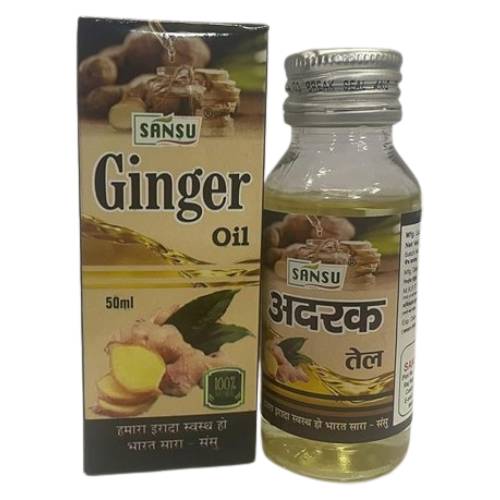
Ginger Oil is renowned for its numerous health benefits, primarily due to its anti-inflammatory and antioxidant properties. It can aid in alleviating digestive issues, reducing nausea, and providing relief from muscle and joint pain. Additionally, it is known to support respiratory health, enhance circulation, and boost overall immunity. Its warming effects can also promote relaxation and reduce stress.
For maximum effectiveness, Ginger Oil can be used in various ways. For topical application, it should be diluted with a carrier oil (such as coconut or olive oil) before applying it to the skin. For aromatic benefits, it can be added to a diffuser or inhaled directly. If used for digestive support, a few drops can be mixed with warm water or herbal tea. Always perform a patch test before using it on the skin to check for sensitivity.
Ginger Oil is generally safe for adults and older children. However, it is advisable to consult a healthcare professional before using this oil for children under the age of 2. Pregnant or breastfeeding women should also seek medical advice prior to using Ginger Oil to ensure it is appropriate for their specific health conditions.
Yes, Ginger Oil can be combined with other essential oils such as peppermint or eucalyptus for enhanced benefits. However, it is important to conduct a patch test when mixing oils to avoid any adverse reactions. If you are currently on medication or have a pre-existing health condition, it is recommended to consult with a healthcare professional before using Ginger Oil in conjunction with other treatments.
To maintain the potency and effectiveness of Ginger Oil, it should be stored in a cool, dark place away from direct sunlight and heat sources. It is best to keep the oil in its original bottle, tightly sealed, to prevent oxidation. Proper storage will help extend its shelf life and preserve its therapeutic properties.