










Herbal medicine, also known as phytotherapy or botanical medicine, has been an integral part of human history and culture for millennia. Throughout the ages, people from diverse cultures around the world have relied on the healing properties of plants to treat various ailments and promote overall well-being. In this comprehensive exploration of herbal medicine, we will delve into its rich history, its influence on different cultures, and the enduring relevance of herbal remedies in the modern world.
The Roots of Herbal Medicine
The origins of herbal medicine can be traced back to ancient civilizations that recognized the therapeutic potential of plants. These early societies, lacking the sophisticated medical knowledge and technology of today, relied on their close connection to nature to discover and develop remedies from local flora. Here are some key milestones in the history of herbal medicine:
- Ancient Egypt: One of the earliest recorded uses of herbal medicine can be found in ancient Egypt. The Ebers Papyrus, dating back to around 1550 BCE, is one of the oldest medical texts in existence and contains numerous prescriptions for herbal remedies. Egyptians used plants like aloe vera, garlic, and thyme for medicinal purposes, and they even had dedicated herbalists known as "swnw" who were responsible for concocting herbal treatments.
- Traditional Chinese Medicine (TCM): China has a rich tradition of herbal medicine that dates back over 2,500 years. Traditional Chinese Medicine (TCM) incorporates a wide range of herbs and herbal formulas to treat various illnesses and maintain health. TCM practitioners believe in balancing the body's vital energy, or Qi, through the use of herbs such as ginseng, astragalus, and licorice. The ancient text, "Shennong Ben Cao Jing," attributed to the mythical emperor Shennong, is often considered the cornerstone of Chinese herbal medicine.
- Ayurveda in India: In India, the ancient system of Ayurveda has been practiced for more than 5,000 years. Ayurveda places a strong emphasis on using herbs, minerals, and other natural substances to harmonize the body, mind, and spirit. The "Charaka Samhita" and the "Sushruta Samhita," two classical texts dating back to around 600 BCE, detail numerous herbal remedies and surgical techniques employed in Ayurvedic dava. Herbs like turmeric, neem, and ashwagandha continue to be widely used in Ayurvedic products and treatments today.
- Greek and Roman Influence: The Greeks and Romans made significant contributions to the field of herbal medicine. Hippocrates, known as the "Father of Modern Medicine," promoted the use of herbs to heal ailments. He authored the "Hippocratic Corpus," a collection of medical texts that discussed herbal remedies and their therapeutic properties. Similarly, the Roman physician Galen built upon Hippocrates' work and furthered the understanding of herbal medicine in the Roman Empire.
Herbal Medicine in Different Cultures
As herbal medicine evolved, it became deeply intertwined with the cultures and traditions of different regions around the world. Each culture developed its own unique approach to herbal healing, reflecting their understanding of the natural world and their cultural beliefs.
- Native American Herbal Medicine: Indigenous peoples of North and South America have a rich tradition of herbal medicine that predates European contact. Native American tribes such as the Cherokee, Navajo, and Apache have long relied on local plants for their medicinal properties. Herbs like echinacea, sage, and yarrow were used to treat various ailments, and these practices continue within Native American communities today.
- African Herbal Traditions: The African continent boasts a diverse range of herbal traditions, with each region having its own set of medicinal plants and practices. Traditional African healers, often known as sangomas or herbalists, play a crucial role in maintaining the health of their communities. Plants like the African potato, rooibos, and hoodia have been used for generations to address a wide array of health issues.
- Traditional Indigenous Medicine in Australia: Australia's Indigenous peoples, with a history spanning over 60,000 years, have a deep connection to the land and its flora. Bush medicine, as it's known, relies on native plants like tea tree oil, eucalyptus, and kangaroo apple for healing purposes. These remedies are passed down through oral traditions and remain integral to Indigenous Australian culture.
- European Herbalism: In medieval Europe, herbalism played a central role in healthcare. Monasteries often served as centers of herbal knowledge, with monks cultivating and studying various plants for their medicinal properties. Influential herbalists like Hildegard of Bingen contributed to the development of European herbal medicine. In the Renaissance period, herbal books like John Gerard's "Herball" and Nicholas Culpeper's "Complete Herbal" became popular references.
- Traditional Japanese Herbal Medicine (Kampo): Japan has its own system of herbal medicine known as Kampo, which originated from Chinese medicine but has evolved with unique Japanese influences. Kampo practitioners use a wide range of traditional formulas that incorporate herbs such as ginger, licorice, and cinnamon. Kampo continues to be integrated into Japan's modern healthcare system and its herbal products.
The Renaissance and Herbalism
The European Renaissance marked a resurgence of interest in herbal medicine. The period saw a revival of classical Greek and Roman texts, as well as the translation of Arabic medical manuscripts into Latin. Herbalists and botanists of the time, such as Paracelsus, Leonhart Fuchs, and John Gerard, made significant contributions to the field.
Paracelsus, in particular, challenged the traditional herbal practices of his era. He emphasized the importance of understanding the chemical properties of plants and believed that herbal remedies should be tailored to the individual patient. His ideas laid the groundwork for the development of modern pharmacology and ayurvedic herbal products.
The Modernization of Herbal Medicine
The 19th and 20th centuries witnessed significant advancements in medical science, including the discovery and isolation of active compounds from plants. This led to the development of synthetic drugs, which became the dominant form of medicine in the Western world. However, herbal medicine never disappeared; instead, it evolved alongside modern medicine and continued to thrive in various cultures.
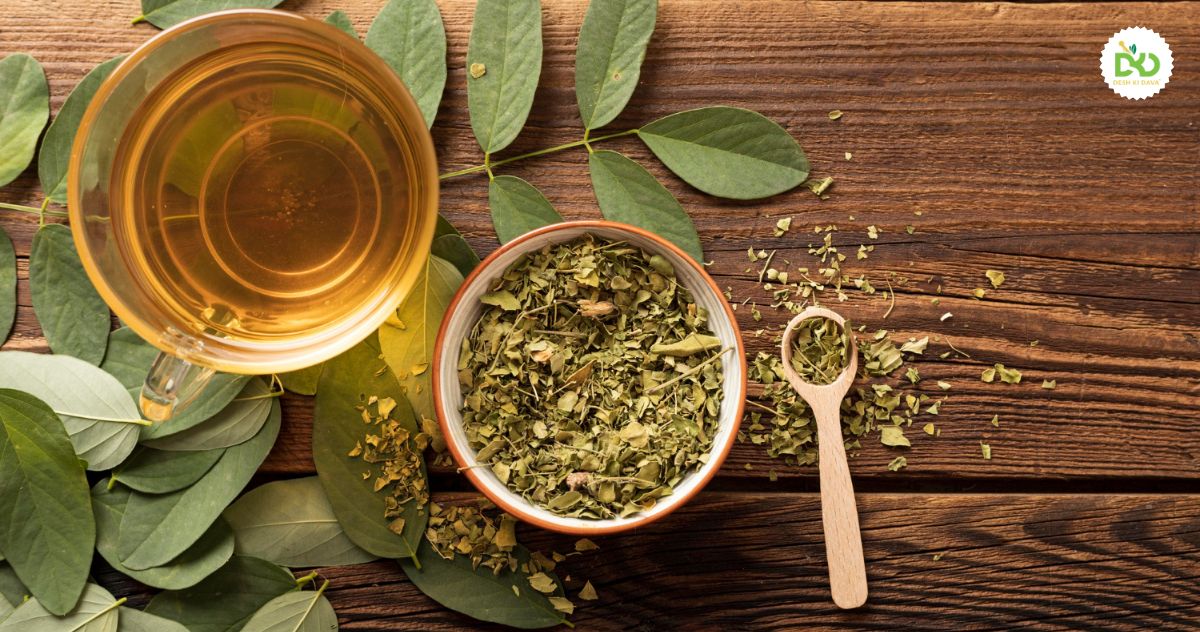
- Traditional Chinese Medicine in the Modern Era: In China, Traditional Chinese Medicine (TCM) underwent a process of modernization and integration with Western medicine in the 20th century. This led to the standardization of herbal formulas and clinical trials to validate their efficacy. TCM is now practiced alongside conventional medicine in many Chinese hospitals, and herbal remedies are available in various forms, including capsules, powders, and teas.
- Western Herbalism and the Herbal Renaissance: In Western countries, herbalism experienced a revival in the latter half of the 20th century. This resurgence was driven by a growing interest in natural and holistic approaches to healthcare. Herbalists and practitioners of alternative medicine advocated for the use of herbs as complementary treatments. Regulatory bodies were established to ensure the safety and quality of herbal products, and herbal medicine gained recognition as a legitimate healing modality.
- Challenges and Controversies: While herbal medicine has made significant strides in the modern era, it has also faced challenges and controversies. One issue is the standardization of herbal products, as the potency and quality of herbal remedies can vary widely. Regulatory agencies in different countries have attempted to address this by implementing quality control measures and labeling requirements. Another challenge is the interaction between herbal remedies and pharmaceutical drugs. Some herbs can interact with medications, potentially leading to adverse effects or reduced drug efficacy. It's crucial for healthcare practitioners and patients to be aware of these interactions and make informed decisions regarding herbal treatments.
Herbal Medicine in the 21st Century
In the 21st century, herbal medicine continues to play a significant role in healthcare worldwide. Its popularity is driven by a growing interest in natural and holistic approaches to well-being, as well as a desire for more personalized and patient-centered care. Here are some key aspects of herbal medicine in the modern era:
- Integrative Medicine: Many healthcare practitioners are embracing an integrative approach that combines conventional medicine with complementary therapies, including herbal medicine. This approach recognizes that herbal remedies can complement pharmaceutical treatments and help address various aspects of a patient's health and well-being.
- Scientific Research: Scientific research into the therapeutic properties of medicinal plants has expanded significantly. Studies are conducted to identify the active compounds in herbs, understand their mechanisms of action, and assess their safety and efficacy. This scientific validation has led to the inclusion of some herbal remedies in clinical practice guidelines.
- Herbal Supplements: Herbal supplements are widely available in the form of capsules, tinctures, teas, and powders. Consumers can find a vast array of herbal products designed to support various aspects of health, from immune support to stress management. However, it's essential to purchase herbal supplements from reputable sources to ensure quality and safety.
- Traditional Knowledge and Sustainability: Preserving traditional knowledge about medicinal plants and promoting sustainable harvesting practices are important considerations in the modern herbal medicine industry. Indigenous communities and local herbalists often possess valuable knowledge about the use of native plants, and efforts are made to protect this wisdom and the ecosystems that provide these valuable resources.
Conclusion
The history and culture of herbal medicine around the world are a testament to humanity's enduring relationship with nature and our quest for health and healing. From ancient civilizations to modern integrative medicine, herbal remedies have played a vital role in our well-being. As we continue to explore the scientific potential of medicinal plants and embrace holistic approaches to healthcare, herbal medicine remains a dynamic and relevant field that bridges the gap between tradition and innovation, offering a multitude of options for those seeking natural and holistic paths to wellness.