












Introduction
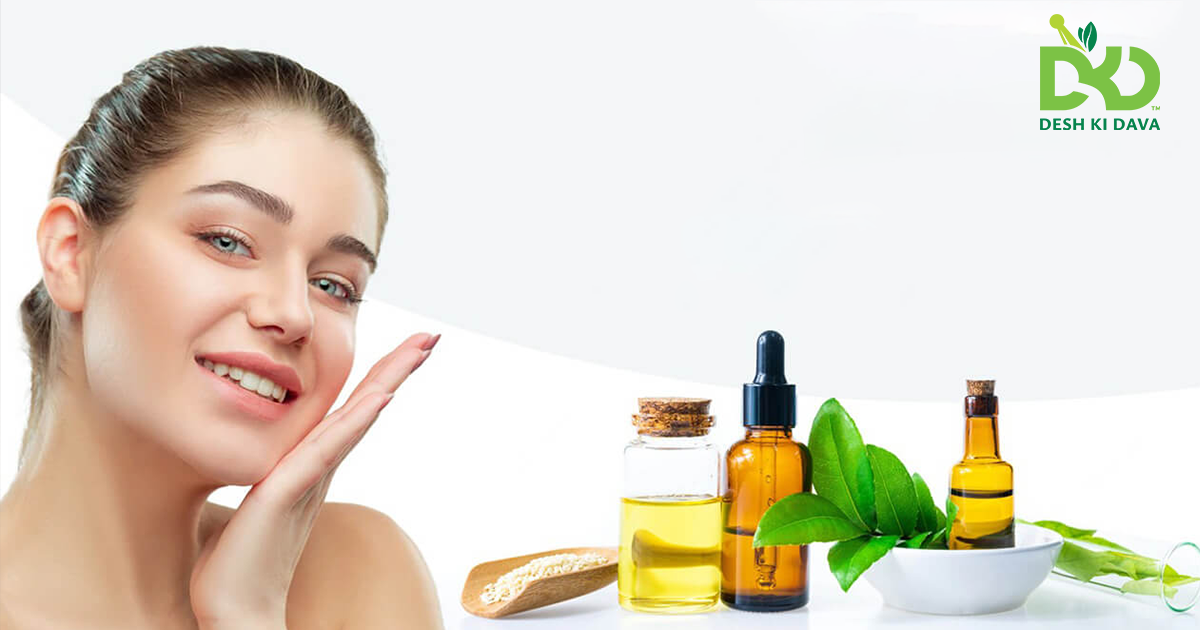
The pursuit of flawless, radiant skin has been a timeless quest for people across cultures and generations. In this journey towards healthier and more beautiful skin, Ayurveda, the ancient Indian system of holistic healing, has gained immense popularity in recent years. Ayurveda, which translates to "the science of life," offers a natural and holistic approach to skincare that focuses on balancing the body and mind to achieve optimal health and beauty.
One of the key aspects of Ayurvedic skincare is selecting the right best ayurvedic products for skin that cater to your unique skin type. Just as Ayurveda recognizes that each individual has a distinct mind-body constitution (dosha), it also acknowledges that skin types vary greatly. Understanding your skin type and choosing Ayurvedic products tailored to your specific needs can make a significant difference in the health and appearance of your skin.
In this comprehensive guide, we will explore the fundamentals of Ayurveda, the various skin types according to Ayurvedic principles, and how to choose the best Ayurvedic products for your skin. Whether you have dry, oily, sensitive, or combination skin, you'll discover valuable insights and recommendations to help you embark on a personalized Ayurvedic skincare journey.
Chapter 1: Understanding Ayurveda and Skin Health
The Basics of Ayurveda
Ayurveda, a holistic system of herbal medicines that originated in India over 5,000 years ago, is built on the principle that health and beauty are deeply intertwined. It views the human body as a complex interplay of three doshas—Vata, Pitta, and Kapha—and believes that maintaining a balance among these doshas is essential for overall well-being, including skin health.
Ayurvedic Approach to Skin Health
In Ayurveda, healthy skin is a reflection of inner balance. To achieve this balance, Ayurvedic skin care emphasizes using natural, plant-based ingredients that are suitable for your specific dosha or skin type. The goal is not just superficial beauty but overall health and vitality.
The Role of Doshas in Skincare
Understanding your dosha and its influence on your skin type is crucial when selecting herbal skin care products. Here's a brief overview of how each dosha relates to skin characteristics:
- Vata Skin: Vata-dominant individuals tend to have dry, thin, and delicate skin that is prone to premature aging, flakiness, and fine lines.
- Pitta Skin: Pitta-dominant individuals often have sensitive, oily, and prone-to-acne skin. They may experience inflammation, redness, and heat-related skin issues.
- Kapha Skin: Kapha-dominant individuals typically have oily, thick, and well-hydrated skin. They are prone to issues like congestion, blackheads, and excessive oiliness.
Chapter 2: Identifying Your Ayurvedic Skin Type
Vata Skin
Vata skin is characterized by the following traits:
- Thin and delicate- Prone to dryness and flakiness
- Easily develops fine lines and wrinkles
- Dull complexion
Pitta Skin
Pitta skin is characterized by the following traits:
- Sensitive and reactive
- Prone to redness and inflammation
- Oily or combination skin
- Freckles and moles may be present
Kapha Skin
Kapha skin is characterized by the following traits:
- Thick and well-hydrated
- Prone to oiliness and congestion
- Large pores
- Cool and calm complexion
Combination Skin
Combination skin types exhibit characteristics of more than one dosha. For example, someone might have a combination of Vata and Pitta skin, which means they need to address the unique needs of both doshas in their skincare routine.
Chapter 3: Choosing the Right Ayurvedic Products
Ingredients to Look For
When choosing ayurvedic herbal products, look for the following ingredients that align with Ayurvedic principles:
- Aloe Vera: Soothing and hydrating, suitable for all skin types.

- Neem: Excellent for acne-prone skin due to its antibacterial properties.

- Turmeric: Helps with inflammation and brightens the complexion.

- Sandalwood: Cooling and calming for sensitive skin.
- Rose: Hydrating and rejuvenating, especially for mature skin.
Avoiding Harmful Ingredients
Ayurvedic skincare avoids synthetic chemicals, parabens, and artificial fragrances. These can disrupt the body's natural balance and lead to skin issues. Always check product labels and opt for those with clean, natural ingredients.
Product Types for Different Skin TypesEach skin type has specific product needs:
- Vata Skin: Opt for nourishing, hydrating products with natural oils like almond, sesame, and avocado oil.
- Pitta Skin: Choose cooling and calming products with ingredients like cucumber, rose, and aloe vera.
- Kapha Skin: Look for products that balance oil production and offer gentle exfoliation using ingredients like clay, honey, and turmeric.
- Combination Skin: Use a combination of products designed for each dosha in the affected areas.
Chapter 4: Building an Ayurvedic Skincare Routine
Cleansing
Cleansing is the foundation of any skincare routine. Use a gentle, Ayurvedic cleanser or ayurvedic face wash that suits your skin type. For Vata skin, opt for a creamy cleanser, while Pitta skin benefits from a soothing, gel-based cleanser. Kapha skin benefits from a foaming, oil-reducing cleanser.
Toning
Toning helps balance the skin's pH and prepares it for further treatment. Rosewater or witch hazel toners are great options. Make sure it aligns with your dosha.
Moisturizing
Moisturizing is essential to maintain skin hydration. Vata skin needs richer, oil-based moisturizers, while Pitta skin benefits from lightweight, non-comedogenic options. Kapha skin requires oil-free, hydrating gels or lotions.
Sun Protection
Protecting your skin from the sun's harmful UV rays is crucial. Choose Ayurvedic sunscreens with natural ingredients like zinc oxide or titanium dioxide. Reapply as needed, especially if you have sensitive skin.
Weekly and Monthly Treatments
Include Ayurvedic treatments like face masks and exfoliation in your routine. For Vata skin, opt for hydrating masks with honey and milk. Pitta skin benefits from soothing masks with cucumber and aloe vera. Kapha skin benefits from clay masks and gentle exfoliants.
Chapter 5: DIY Ayurvedic Skincare Recipes
Homemade Cleansers
- Vata Cleansing Oil: Mix almond oil with a few drops of lavender essential oil.
- Pitta Cleansing Gel: Blend cucumber, aloe vera, and a splash of rosewater.
- Kapha Foaming Cleanser: Combine chickpea flour with a little turmeric and water.
Natural Face Masks
- Vata Hydrating Mask: Mix honey, milk, and a few drops of rose oil.
- Pitta Soothing Mask: Combine yogurt, cucumber, and a pinch of turmeric.
- Kapha Detoxifying Mask: Use clay mixed with aloe vera gel and a drop of tea tree oil.
Herbal Steam Baths
Steaming with Ayurvedic herbs like neem, tulsi, and mint can help detoxify and rejuvenate the skin. Boil water, add herbs, and steam your face for 10-15 minutes.
Chapter 6: Ayurvedic Lifestyle Practices for Healthy Skin
Diet and Nutrition
Eat a balanced diet that fits with your dosha. Incorporate foods like fruits, vegetables, and whole grains. Stay hydrated with warm herbal teas, and avoid excessive caffeine and spicy foods.
Stress Management
Stress can disrupt your skin's balance. Practice stress-reduction techniques like meditation, yoga, and deep breathing to keep your mind and skin calm.
Adequate Sleep
A restful night's sleep is crucial for skin renewal and healing. Get a decent night's sleep every night for 7-9 hours.
Yoga and Exercise
Yoga poses and exercises can improve blood circulation, detoxify the body, and promote healthy, radiant skin. Practice yoga asanas that suit your dosha.
Chapter 7: Frequently Asked Questions (FAQs)
Can Ayurveda Help with Acne and Blemishes?
Yes, Ayurveda offers effective remedies for acne and blemishes. Ingredients like neem, turmeric, and sandalwood can help reduce inflammation and prevent breakouts. For specific guidance, speak with an Ayurvedic practitioner.
What Should I Do If I Have Allergies or Sensitivities?
If you have allergies or sensitivities, it's crucial to perform patch tests before using new products. Stick to hypoallergenic, gentle Ayurvedic products with minimal ingredients.
How Long Does It Take to See Results?
Results vary depending on your skin type and the products used. Consistency is key. Generally, you may start noticing improvements in a few weeks to a couple of months.
Chapter 8: Conclusion
Choosing the best Ayurvedic products for your skin type is a journey towards not just beautiful skin but also improved overall health and well-being. By understanding your dosha, selecting the right ingredients, and following a personalized skincare routine, you can harness the power of Ayurveda to achieve the glowing, healthy skin you desire. Remember that Ayurvedic skincare is a holistic approach, so embrace it as a lifestyle that nourishes not only your skin but also your mind and body. Start your Ayurvedic skincare journey today, and let your inner radiance shine through.