







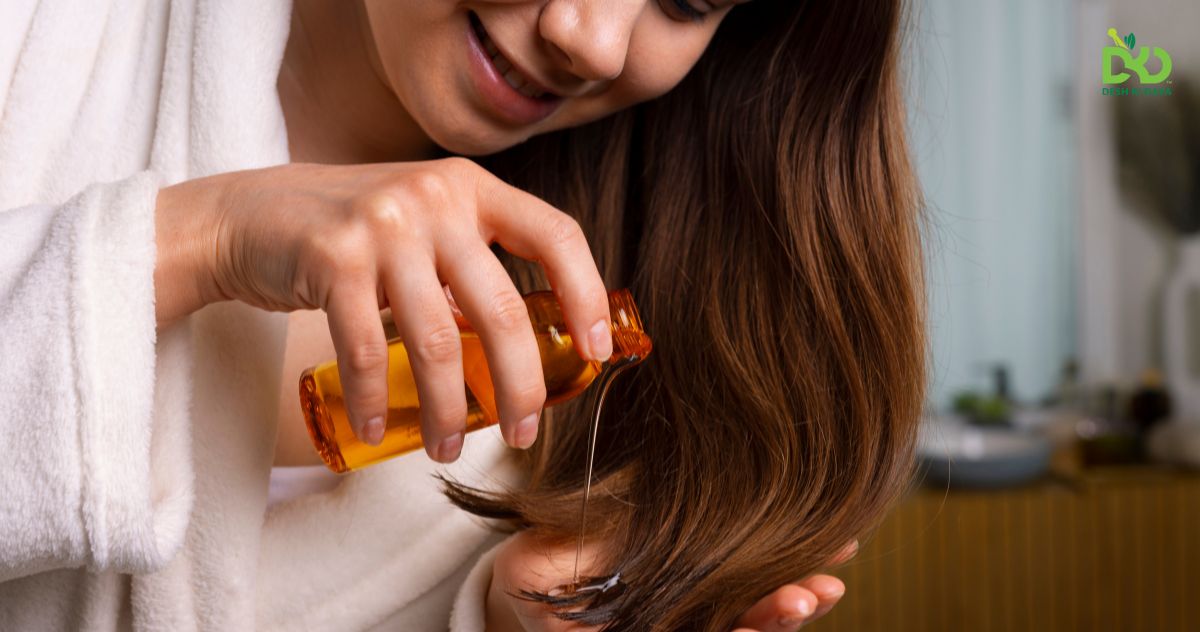
Are you trying to find a healthy, natural approach to enhance the condition of your hair? Do you want to learn how to use the ancient wisdom of Ayurveda to nourish your hair and scalp? If so, you might want to try using Ayurvedic hair oil. Ayurvedic hair oil is a blend of herbal extracts and oils that can help you achieve luscious locks and prevent hair problems. In this blog post, I will guide you through the steps of choosing and using Ayurvedic hair oil for healthy hair. You will learn how to identify your hair type and concerns, read the ingredients, check for quality, and consider your dosha. You will also learn how to warm the oil, apply the oil, leave it on, shampoo and condition, and determine the frequency of use. Finally, you will learn why patience is key when using Ayurvedic hair oil and what benefits you can expect to see over time. So, let’s get started and discover how Ayurvedic hair oil can transform your hair health.
How to Pick the Perfect Ayurvedic Hair Oil for Your Hair Needs
Ayurvedic hair oil is a natural and holistic way to nourish and strengthen your hair. Ayurvedic medicine for hair loss can effectively tackle a range of hair concerns, including dryness, frizz, breakage, dandruff, and premature graying, in addition to combating hair loss. But with so many different types of ayurvedic hair oils available in the market, how do you choose the one that suits your hair needs? In this blog post, we will guide you through the steps to find your ideal ayurvedic hair oil match. We will cover the following topics:

What Kind of Hair Do You Have and What Do You Want to Achieve?
According to Ayurveda, there are three types of hair based on the three doshas: vata, pitta, and kapha. Each type has different characteristics and needs different care. Here is a brief summary of each type and the best oil for them:
- Vata hair is thin, dry, frizzy, and prone to split ends and hair fall. It needs nourishing and moisturizing oils that can reduce stiffness and brittleness in the scalp and hair. Almond oil or sesame oil are good choices for vata hair. They can also help with dandruff and scalp infections.
- Pitta hair is soft, thick, slightly curly, and high in protein and pigment. It tends to get oily, greasy, and inflamed easily. It also suffers from premature graying and weak hair roots. It needs cooling and soothing oils that can balance the excess heat and oiliness in the scalp and hair. Coconut oil or argan oil are ideal for pitta hair. They can also help with seborrheic dermatitis and other infections.
- Kapha hair is thick, curly, shiny, and voluminous. It has high moisture and elasticity, but it also gets oily, itchy, and clogged quickly. It also suffers from hair fall and scalp inflammation. It needs light and stimulating oils that can cleanse and detoxify the scalp and hair. Sesame oil or olive oil are suitable for kapha hair. They can also help with hair growth and circulation.
What’s in Your Ayurvedic Hair Oil?
There are many different types of Ayurvedic hair oils, and each one has its own unique ingredients and benefits. However, some of the most common ingredients that you can find in most Ayurvedic hair oils are:
- Coconut oil: This is the base oil for many Ayurvedic hair oils, as it is rich in fatty acids, antioxidants, and vitamins that nourish and moisturize the scalp and hair. Coconut oil also has anti-fungal and anti-bacterial properties that can prevent infections and dandruff.
- Amla: This is also known as Indian gooseberry, and it is a powerful source of vitamin C, iron, and antioxidants that can strengthen the hair follicles, prevent hair fall, and promote hair growth. Amla also helps to maintain the natural color and shine of the hair.
- Bhringraj: This is also known as false daisy, and it is a herb that can stimulate blood circulation in the scalp, which can enhance hair growth and prevent hair loss. Bhringraj also helps to reduce stress, which is a common cause of hair problems.
- Brahmi: This is also known as bacopa, and it is a herb that can improve memory, concentration, and mental health. Brahmi also helps to nourish the hair roots, prevent split ends, and reduce hair breakage.
- Neem: This is also known as Indian lilac, and it is a plant that has anti-inflammatory, anti-fungal, and anti-bacterial properties that can treat scalp infections, dandruff, and itching. Neem also helps to regulate the oil production in the scalp, which can prevent greasiness and clogging of the proes.
- Henna: This is also known as mehndi, and it is a plant that can dye the hair naturally and give it a reddish-brown color. Henna also helps to condition the hair, repair the damage, and add volume and shine.
- Methi: Ayurvedic medicine for hair growth, also known as fenugreek, is a spice renowned for its ability to enhance hair growth through the provision of essential nutrients such as protein, iron, and vitamins to the hair. Methi also helps to reduce hair fall, dandruff, and thinning of the hair.
- Kalonji: This is also known as black seed, and it is a spice that can improve the hair quality by providing essential fatty acids, antioxidants, and minerals to the hair. Kalonji also helps to prevent premature graying, hair loss, and baldness.
These are some of the most common ingredients that you can find in Ayurvedic hair oils, but there are many more that can vary depending on the brand, the formula, and the purpose of the oil. You can also make your own Ayurvedic hair oil at home by using some of these ingredients and following a simple recipe.
How to Spot a Genuine Ayurvedic Hair Oil?
There are many Ayurvedic hair oils available in the market, but not all of them are genuine or effective. Some of them may contain harmful chemicals, synthetic fragrances, or mineral oils that can damage your hair and scalp. To spot a genuine Ayurvedic hair oil, you can follow these tips:

- Check the label: A genuine Ayurvedic hair oil will have a clear and detailed list of ingredients, preferably in both English and Sanskrit. It will also mention the method of preparation, such as Kshir Pak Vidhi, which is a traditional Ayurvedic process of boiling herbs with milk to extract their essence. The label will also have a certification mark from the Department of Ayurveda or other recognized authorities.
- Check the color and smell: A genuine Ayurvedic hair oil will have a natural color and smell, depending on the herbs and oils used. It will not have any artificial colors or fragrances that can irritate your scalp or cause allergies. A good way to test the smell is to rub a small amount of oil on your wrist and sniff it after a few minutes. If it smells pleasant and herbal, it is likely to be genuine.
- Check the consistency and texture: A genuine Ayurvedic hair oil will have a smooth and non-sticky consistency, that can easily spread on your scalp and hair. It will not be too thick or too thin, and it will not leave any residue or flakes on your hair. A good way to test the texture is to rub a small amount of oil between your fingers and feel it. If it feels greasy or waxy, it is likely to be adulterated.
- Check the price and reviews: A genuine Ayurvedic hair oil will not be very cheap or very expensive, as it will reflect the quality and quantity of the ingredients and the method of preparation. It will also have positive reviews from satisfied customers who have used it and seen the results. A good way to check the price and reviews is to compare different brands and products online or offline, and read the feedback from other users. It's probably not real if it sounds too wonderful to be true.
These are some of the tips that can help you spot a genuine Ayurvedic hair oil. However, the best way to find out if an oil works for you is to try it yourself and see the results. You can also consult an Ayurvedic doctor or a hair expert for more guidance and recommendations.
What’s Your Ayurvedic Body Type and How Does It Affect Your Hair?
Your Ayurvedic body type, also known as your prakriti, is determined by the balance of the three doshas: vata, pitta, and kapha. These doshas are the vital energies that govern your physical, mental, and emotional health. Every individual possesses a distinct blend of these doshas, with one or two being predominant. Your prakriti is influenced by your genes, your environment, your diet, and your lifestyle.
Your prakriti also affects your hair type and hair health, as the hair is a byproduct of the bone tissue, which is linked to the vata dosha. The hair also reflects the state of your nervous system and your digestive fire, which are influenced by all three doshas.
Here is a brief overview of how each dosha affects your hair:
- Vata: Vata is the dosha of movement, creativity, and spontaneity. It is connected to the space and air components. People with a dominant vata prakriti tend to have thin, dry, frizzy, and curly hair that grows fast but is prone to breakage, split ends, and hair fall. They also have a sensitive scalp that can get irritated or infected easily. Vata hair needs nourishment, hydration, and gentle care to prevent dryness, brittleness, and damage.
- Pitta: Pitta is the dosha of transformation, intelligence, and passion. It is associated with the elements of fire and water. People with a dominant pitta prakriti tend to have soft, thick, slightly wavy, and oily hair that has a lot of protein and pigment. They also have a warm and moist scalp that can get inflamed or infected easily. Pitta hair needs cooling, soothing, and cleansing to prevent excess heat, oiliness, and inflammation. Pitta hair is also susceptible to premature graying, hair loss, and baldness due to the high metabolic activity of pitta.
- Kapha: Kapha is the dosha of stability, nourishment, and compassion. It is associated with the elements of earth and water. People with a dominant kapha prakriti tend to have thick, curly, shiny, and voluminous hair that has a lot of moisture and elasticity. They also have a cool and oily scalp that can get clogged or infected easily. Kapha hair needs stimulation, detoxification, and lightening to prevent excess oil, dirt, and heaviness. Kapha hair is also prone to hair fall and dandruff due to the sluggishness of kapha.
Once you know your prakriti, you can choose the best hair care routine and products for your hair type. You can also balance your doshas by following a suitable diet, lifestyle, and exercise regimen.
How to Use Ayurvedic Hair Oil for Maximum Benefits?
How to Use Ayurvedic Hair Oil for Maximum Benefits Ayurvedic hair oil is a natural and holistic way to nourish and strengthen your hair. It can help you prevent hair loss, promote hair growth, reduce dandruff, and improve the texture and shine of your hair. But how do you use ayurvedic hair oil for maximum benefits? In this section, we will guide you through the steps of applying ayurvedic hair oil to your scalp and hair, and give you some tips on how to get the best results. We will also cover the following topics:

Why Should You Warm Up Your Ayurvedic Hair Oil Before Applying?
- It helps the oil penetrate deeper into your scalp and hair follicles, nourishing them with essential nutrients and improving blood circulation.
- It enhances the absorption of the oil by opening up the skin pores and removing the oil residue.
- It relaxes the muscles and nerves of your scalp, reducing stress and anxiety.
- It regulates the sebaceous glands and balances the natural oil production of your scalp.
- It prevents the accumulation of vitiated doshas in your hair roots and stimulates hair growth.
However, the temperature of the oil should be suitable for your hair type and the season. If your hair issue is related to Vata and Kapha’s dominance, oil is slightly heated. The oil bowl is closed and put into another big vessel filled with water heated on fire (oil is warmed passively). Oil should be utilized at room temperature for Pitta dominant people. You can also use a damp but warm towel to wrap your hair after applying oil.
To warm up your hair oil, you can follow these steps:
- Fill a pot or a bowl with hot water and place your oil bottle in it. Wait for a few minutes until the oil is warm enough.
- Make a center parting in your hair and gently oil the area around the parting. To prevent the oil from trickling down your head, do this in several regions around your head while massaging it into your scalp.
- Massage your scalp gently with your fingertips for 10 to 15 minutes, using circular motions.
- Apply some oil to the length of your hair and comb it through to distribute it evenly.
- Wrap your hair in a warm towel or a shower cap and leave it on for 30 minutes to an hour.
- Use a gentle shampoo and conditioner to wash your hair.
How to Massage Your Scalp and Hair with Ayurvedic Hair Oil?
Ayurvedic hair oil is a type of oil that is infused with herbs and spices that have beneficial effects on your hair and scalp health. Ayurvedic hair oil can nourish, moisturize, strengthen, and stimulate your hair follicles, as well as calm your mind and balance your doshas.
To massage your scalp and hair with Ayurvedic hair oil, you will need the following:
- A bottle of Ayurvedic hair oil of your choice. You can buy ready-made Ayurvedic hair oil from online or offline stores, or you can make your own by following some recipes.
- A bowl and a spoon to warm the oil.
- A towel or a shower cap to cover your hair after applying the oil.
- A gentle shampoo and conditioner to wash your hair.
Here are the steps to follow:
- Warm the oil to a comfortable temperature by placing the bowl in a pot of hot water or by microwaving it for a few seconds. Do not overheat the oil as it can damage your hair and scalp.
- For five to ten minutes, begin gently massaging your scalp with your fingertips in a circular manner. This will help to stimulate the blood circulation, relax the muscles, and activate the marmas or pressure points on your head.
- After covering your entire scalp with oil, you may use the leftover portion on your hair. You can use a comb or your fingers to spread the oil evenly from the roots to the tips of your hair.
- Give your hair at least an hour to absorb the oil. For best effects, you may also leave it overnight. Cover your hair with a towel or a shower cap to protect it from air and dust.
- Wash your hair with gentle shampoo and conditioner. Rinse well and dry your hair naturally or with a blow dryer on low heat.
- Enjoy your soft, shiny, and healthy hair!
You can repeat this process once or twice a week, depending on your hair type and condition. Ayurvedic head massage can also help you to reduce stress, improve sleep, and enhance your mood.
How Long to Leave Your Ayurvedic Hair Oil On Your Hair?
According to Ayurveda, there are three doshas or life-giving energies that flow through all humans — Vata, Pitta, and Kapha. When any one of them is overdone, the body's systems get out of balance, but the effects are most noticeable when it comes to our hair.
Generally, Ayurveda suggests oiling your hair once a week, and hence, washing your hair once a week. You should only oil your hair twice or three times a week if it is really dry or if you have a lot of dandruff. The greatest and easiest way to oil hair is to take some lukewarm (not hot) oil in a small dish, dip your fingertips into it, part your hair at the top of your head with your other hand, and then massage the oil into your scalp. Massage your scalp with your fingers in a gentle circular motion for 5-10 minutes. This will help to stimulate the blood circulation, relax the muscles, and activate the marmas or pressure points on your head.

However, the ideal time to keep hair oil on your hair may vary according to your dosha. Here are some guidelines based on your dosha:
- If you have an oily scalp, you have a dominant Kapha dosha and are more prone to mucous-related issues like cough, cold, and headaches. You can easily fall sick if you keep hair oil overnight. Never let oil stay in your hair for more than fifteen to twenty minutes.
- If you have a dry scalp, you have a predominant Vata dosha and are more likely to experience hair fall, split ends, and frizziness. You can leave hair oil for 45 minutes to one hour to nourish and moisturize your hair.
- If you have a normal or combination scalp, you have a balanced Pitta dosha and are less prone to hair problems. However, you may still suffer from premature greying, thinning, or inflammation due to stress or heat. You can leave hair oil for 30 minutes to 45 minutes to protect and strengthen your hair.
Some Ayurvedic hair oils may have specific instructions on how long to leave them on your hair, depending on the ingredients and the benefits they offer. For example, amla oil, which is rich in vitamin C and antioxidants, can help to promote hair growth, prevent hair loss, and reduce dandruff. You can leave amla oil on your hair for 1-2 hours before washing it off with lukewarm water and a mild herbal shampoo.
How to Shampoo and Condition Your Hair After Using Ayurvedic Hair Oil?
Ayurvedic hair oil is a type of oil that is infused with herbs and spices that have beneficial effects on your hair and scalp health. Ayurvedic hair oil can nourish, moisturize, strengthen, and stimulate your hair follicles, as well as calm your mind and balance your doshas.
To shampoo and condition your hair after using Ayurvedic hair oil, you will need the following:
A gentle shampoo that is free of harsh chemicals like sulfates, parabens, and silicones. You can use a herbal shampoo that contains natural ingredients like amla, shikakai, reetha, neem, tulsi, etc. These ingredients can help to cleanse your hair without stripping off the natural oils and moisture. You can buy ready-made herbal shampoos from online or offline stores, or you can make your own by following some recipes.
A herbal conditioner that can help to seal in the moisture and nourish your hair. You can use a herbal conditioner that contains natural ingredients like henna, aloe vera, coconut milk, honey, etc. These ingredients can help to condition your hair and make it soft, shiny, and manageable. You can buy ready-made herbal conditioners from online or offline stores, or you can make your own by following some recipes.
Here are the steps to follow:
- Before shampooing, comb your hair gently to remove any tangles and knots. This will help to prevent hair breakage and damage during washing.
- Wet your hair with lukewarm water. Hot water can dry out your scalp and hair, so stay away from it.
- Massage the shampoo onto your scalp and through the length of your hair till it lathers. Apply a light circular massage to your scalp using your fingertips. This will help to stimulate the blood circulation and remove any dirt, oil, and residue from your hair and scalp.
- Rinse your hair thoroughly with lukewarm water. Make sure to remove all the shampoo from your hair and scalp. You can use a mild acidic rinse like apple cider vinegar or lemon juice diluted with water to balance the pH of your hair and scalp. This will help to close the cuticles and add shine to your hair.
- Squeeze out the excess water from your hair and apply the conditioner to your hair. Avoid applying the conditioner to your scalp as it can clog the pores and cause dandruff. Focus on the ends and the mid-lengths of your hair where it is more dry and damaged. Leave the conditioner on your hair for 5 to 10 minutes and then rinse it off with lukewarm water.
- Gently pat your hair dry with a towel or a cotton t-shirt. Avoid rubbing or wringing your hair as it can cause frizz and split ends. Let your hair air dry naturally or use a blow dryer on low heat if you are in a hurry.
You can repeat this process once or twice a week, depending on your hair type and condition. Shampooing and conditioning your hair after using Ayurvedic hair oil can help you to maintain your hair health and beauty.
How Often to Use Ayurvedic Hair Oil for Optimal Results?
Ayurvedic hair oil is a natural product that contains various herbs and spices that nourish and strengthen the hair. According to Ayurveda, the ancient Indian system of wellness, hair oiling is a practice that balances the three doshas (life energies) in the body and promotes hair growth, health, and beauty.

The frequency of hair oiling depends on your hair type, condition, and preference. However, a general guideline is to oil your hair once or twice a week, and wash it with a mild shampoo afterward. Oiling your hair more often may make it greasy and attract dust and dirt, while oiling it less often may make it dry and brittle. Here are some steps to follow for optimal hair oiling:
- Choose an Ayurvedic oil that suits your hair needs. For example, neem oil is good for dandruff and scalp infections, coconut oil is good for dry and damaged hair, and bhringraj oil is good for hair growth and greying.
- Warm the oil slightly in a small bowl over a low flame. Do not overheat the oil, as it may lose its beneficial properties or burn your scalp.
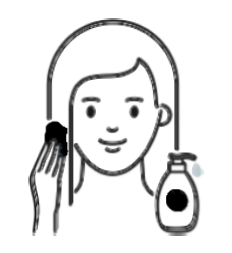
- Apply the oil to your scalp and hair using your fingertips or a cotton ball. Start from the crown of your head, where the crown chakra is located, and massage gently in circular motions. This stimulates blood circulation and relaxes the mind.
- Cover your entire scalp and hair with the oil, and then comb your hair gently to distribute the oil evenly. You can also wrap your hair in a towel or a shower cap to prevent the oil from dripping or staining your clothes.
- Leave the oil on your hair for at least 30 minutes, or overnight if you prefer. This allows the oil to penetrate deep into the hair follicles and nourish them.
- Make use of warm water and a shampoo that is mild for shampooing your hair. Do not use hot water, as it may strip the oil and moisture from your hair. Rinse your hair thoroughly to remove any traces of oil.
- Dry your hair naturally or with a soft towel. Avoid using a hair dryer, as it may damage your hair or cause split ends.Enjoy your soft, shiny, and healthy hair!
Why Should You Stick with Ayurvedic Hair Oil for Long-Term Hair Health?
Ayurvedic hair oil is a natural and holistic way to care for your hair and scalp. It has many benefits that can improve your hair health in the long term. Here are some reasons why you should stick with Ayurvedic oil for long-term hair health:
- Ayurvedic hair oil is based on the principles of Ayurveda, an ancient system of medicine that originated in India. Ayurveda believes that there are three types of energies or doshas that govern the body: Vata, Pitta, and Kapha. Each person has a unique balance of these doshas, and any imbalance can cause health problems, including hair issues. Ayurvedic hair oil helps to balance the doshas and restore harmony in the body.
- Ayurvedic hair oil contains herbal ingredients that have been used for centuries to treat various hair problems. Some of the common herbs used in Ayurvedic hair oil are ashwagandha, bhringraj, amla, brahmi, neem, and hibiscus. Ayurvedic herbs for hair possess qualities that can nourish, fortify, hydrate, invigorate, and shield both the hair and the scalp.
- Ayurvedic hair oil can help to prevent and reduce hair fall, dandruff, premature greying, split ends, and dryness. It can also promote hair growth, thickness, shine, and softness. By regularly massaging the scalp with Ayurvedic hair oil, you can improve blood circulation, relax the nerves, relieve stress, and enhance sleep quality.
- Ayurvedic hair oil is free of harsh chemicals, artificial fragrances, and preservatives that can damage the hair and scalp. It is gentle, safe, and suitable for all hair types and conditions. It can also be customized according to your specific needs and preferences by choosing the right oil base and herbs.
To sum up, Ayurvedic hair oil is a natural and effective way to care for your hair and scalp in the long term. It can help to balance your doshas, nourish your hair, prevent and treat hair problems, and improve your overall well-being. If you want to try Ayurvedic hair oil, you can either buy a ready-made product from a reputable brand or make your own at home with some simple ingredients. You can also consult an Ayurvedic practitioner for more guidance and advice.

Conclusion
Ayurvedic hair oil is a natural and effective way to nourish and beautify your hair. By choosing the right oil for your hair type and goals, and using it correctly, you can enjoy the benefits of healthy, shiny, and strong hair. Ayurvedic hair oil can also help balance your doshas, improve your blood circulation, and relax your mind. Try it today and see the difference.